Sevilla Declaration on the Centrality of Affected Communities in Urban HIV Responses Unveiled at Fast-Track Cities 2022 Conference


11 OCTOBER 2022 (Sevilla, Spain) – At a Fast-Track Cities 2022 conference reception held this evening at the Royal Alcazar Palace, several Mayors and a Deputy Governor in attendance were joined virtually by peers from across the Fast-Track Cities network to sign their names to a declaration aimed at defining and facilitating the placement of affected communities at the center or urban HIV responses.

  • The Mayors of Blantyre (Wild Ndipo), Kingston (Delroy Williams), Libreville (Issa Malam Salatou), Quezon City (Ma. Josefina Belmonte), and Sevilla (Antonio Muñoz Martínez) signed the Sevilla Declaration on the Centrality of Affected Communities in Urban HIV Responses (Sevilla Declaration) along with Johannesburg Mayor (Dada Morero), New York City Mayor Eric Adams, and other Mayors who participated via video or virtually.
  • The Deputy Governor of the Bangkok Metropolitan Administration (Dr. Tavida Kamolvej) also affixed her signature to the declaration during the Sevilla ceremony, and a representative from GGD Amsterdam signed on behalf of that city’s Mayor (Femke Halsema). Multiple county and provincial officials from Fast-Track Cities in other countries also signed the declaration via video or virtually.
  • Moreover, Mayors and representatives from an additional 22 Fast-Track Cities in Spain signed the declaration. Of note, the reception’s signing ceremony was witnessed by Carolina Darias, Minister of Health of Spain, in whose country more than 150 cities have joined the Fast-Track Cities network, with Sevilla having been the first Spanish city to sign the Paris Declaration on Fast-Track Cities Ending the HIV Epidemic in 2015.

According to Dr. José M. Zuniga, President/CEO of the International Association of Providers of AIDS Care and the Fast-Track Cities Institute, the Sevilla Declaration will supplement the Paris Declaration on Fast-Track Cities, which more than 400 cities and municipalities worldwide have signed since the network’s launch in 2014, thus joining the Fast-Track Cities network. The new declaration includes 10 commitments Fast-Track Cities are asked to make that range from safeguarding the dignity and rights of communities affected by HIV to meeting the United Nations goals for community-led HIV responses.

“An amorphous and overly malleable term such as ‘placing people at the center’ of the HIV response has little effect if it can be interpreted in a million different ways or worse actioned as mere tokenism that disenfranchises those whose voice at the table and leadership are critically needed,” said Dr. Zuniga. “The 10 commitments that Fast-Track Cities are making in signing the Sevilla Declaration reflect an important step forward in clearly defining, operationalizing, and facilitating what we mean by ‘placing people at the center’ of urban HIV responses at a time when it is most critical to do so.”

The Sevilla Declaration was shaped by organizations representing people living with HIV, including the Global Network of People Living with HIV (GNP+), as well as through regional listening sessions involving local communities of people living with HIV across the Fast-Track Cities network. Also providing input were the four core partners of the Fast-Track Cities initiative: IAPAC, the Joint United Nations Programme on HIV/AIDS (UNAIDS), United Nations Human Settlements Programme (UN-Habitat), and the City of Paris.

“The Sevilla Declaration provides structure for communities of people living with HIV to more formally play a leadership role in HIV responses at city and municipal levels,” said Sbongile Nkosi, Co-Executive Director of GNP+, which formally endorsed the declaration at the Fast-Track Cities 2022 conference. “We talk a lot about ‘placing people at the center of the HIV response,’ but the Sevilla Declaration does more by articulating commitments local governments and institutions must make to create the space for and empower people living with HIV and their community-based organizations to lead urban HIV responses.”

In its Global AIDS Strategy, 2021-2026, UNAIDS emphasizes the critical nature of community engagement and leadership to regain momentum against HIV that was lost during the COVID-19 pandemic. Through its advocacy on community engagement, UNAIDS has consistently stressed that the call for “nothing for us without us” must be made more than just a slogan.

“In line with the Global AIDS Strategy and the Sevilla Declaration, empowering and integrating community engagement is the cornerstone to ending AIDS and having people at the center of the response, said UNAIDS Deputy Executive Director for Programme, Eamonn Murphy.


Click here to access the Sevilla Declaration.


NOTE: The Fast-Track Cities 2022 conference reception was hosted by the Ayuntamiento de Sevilla, International Association of Providers of AIDS Care (IAPAC), Fast-Track Cities Institute, and Fast-Track Sevilla, with support from Gilead Sciences.


# # #


About Fast-Track Cities

Fast-Track Cities is a global partnership between more than 450 cities, the International Association of Providers of AIDS Care (IAPAC), the Joint United Nations Programme on HIV/AIDS (UNAIDS), the United Nations Human Settlements Programme (UN-Habitat), and the City of Paris. The partnership’s aim is to end urban HIV epidemics by getting to zero new HIV infections, zero AIDS-related deaths, and zero HIV-related stigma. Launched on World AIDS Day 2014, the partnership also advances efforts to end tuberculosis (TB) epidemics and eliminate viral hepatitis (HBV and HCV) in urban settings by 2030.


About IAPAC

Representing 30,000 members, IAPAC is the largest association of clinicians and allied health professionals working to end the epidemics of HIV and tuberculosis, as well as eliminate HBV and HCV, by 2030. IAPAC is also a core technical partner to the Fast-Track Cities network and the Secretariat for its Fast-Track Cities Institute. For more information about IAPAC, please visit: https://www.iapac.org/


About the Fast-Track Cities Institute

The Fast-Track Institute was created to support cities and municipalities worldwide in their efforts to achieve Sustainable Development Goal (SDG) 3.3 (ending the epidemics of HIV and TB), the World Health Organization goal of eliminating HBV and HCV, and SDG 11 (making cities and municipalities inclusive, safe, resilient, and sustainable). For information about the Fast-Track Cities Institute, please visit: https://www.ftcinstitute.org/


About GNP+

The Global Network of People Living with HIV (GNP+) is a network for people living with HIV, run by people living with HIV. GNP+ engages with and supports national and regional networks of people living with HIV to ensures that its global work is grounded in local experiences and priorities. The meaningful involvement of people living with HIV is at the heart of all GNP+ does. Using the power of evidence-based advocacy, GNP+ also challenges governments and global leaders to improve access to quality HIV prevention, treatment, care, and support services. For more information about GNP+, please visit: https://gnpplus.net/


About UNAIDS

The Joint United Nations Programme on HIV/AIDS (UNAIDS) leads and inspires the world to achieve its shared vision of zero new HIV infections, zero discrimination and zero AIDS-related deaths. UNAIDS unites the efforts of 11 UN organizations—UNHCR, UNICEF, WFP, UNDP, UNFPA, UNODC, UN Women, ILO, UNESCO, WHO and the World Bank—and works closely with global and national partners towards ending the AIDS epidemic by 2030 as part of the Sustainable Development Goals. For information about UNAIDS, please visit: https://unaids.org/

Six Cities and a Ukrainian Community-Based Organization Recognized at Fast-Track Cities 2022 Conference


11 OCTOBER 2022 (Sevilla, Spain) – At a Fast-Track Cities 2022 conference reception held this evening at the Royal Alcazar Palace, six Fast-Track Cities and 100% Life, a Ukrainian community-based organization, received 2022 “Circle of Excellence Awards” and the “Community Leadership Award,” respectively, in recognition of their political, public health, and community leadership.

Earlier this year, the International Association of Providers of AIDS Care (IAPAC) and Fast-Track Cities Institute (FTCI), in collaboration with the Joint United Nations Programme on HIV/AIDS (UNAIDS), launched a nomination process to identify cities from six geographic regions whose work exemplifies the Fast-Track Cities mission. Both IAPAC and UNAIDS are core partners of the Fast-Track Cities initiative, which was launched in 2014 and today comprises more than 400 cities engaged in ending their urban HIV epidemics by 2030. The six cities selected to receive the 2022 “Circle of Excellence Awards” include:

  • Asia-Pacific: Quezon City, Philippines
  • Europe: Amsterdam, Netherlands
  • Latin America/Caribbean: Kingston, Jamaica
  • North America: New York City, NY, USA
  • Southern/Eastern Africa: Johannesburg, South Africa
  • Western/Central Africa: Lagos State, Nigeria

The Mayors of Quezon City (Ms. Ma. Josefina Belmonte), Kingston (Mr. Delroy Williams), and New York City (Mr. Eric Adams) accepted their cities’ 2022 “Circle of Excellence” awards in-person (Mayors Belmonte and William) and via video (Mayor Adams). Public health department officials accepted awards on behalf of Amsterdam, Johannesburg, and Lagos State.

100% Life was recognized both for its efforts during the ongoing war in Ukraine, as well as that of other community-based organizations in that country who have advanced humanitarian and public health efforts on behalf of Ukrainians living with and affected by HIV. Ms. Valeria Rachynska, who is Human Rights, Gender, and Community Development Director at 100% Life, accepted the 2022 “Community Leadership Award” on behalf of her organization and partner organizations across Ukraine.

“Political, public health, and community leadership are at the heart of the Fast-Track Cities movement and are integral to averting AIDS-related deaths, stemming new HIV infections, and eliminating HIV-related stigma,” said Dr. José M. Zuniga, President/CEO of IAPAC and FTCI, which launched the two awards at the Fast-Track Cities 2021 conference. “Congratulations to 100% Life and the six cities honored for their exemplary leadership. May they serve as an inspiration for other community-based organizations and cities as they respond to their urban HIV epidemics with bold leadership.”

“Among the lessons that we have learned in tackling HIV is the need for bold political leadership, global solidarity, ensuring communities are at the center of the response, and a commitment to human rights. This has been true for COVID-19 and will be true for other pandemics to come,” said Winnie Byanyima, Executive Director of UNAIDS. “Ending inequalities is the most effective way to ensure that we are more prepared for the next pandemic.  We look to city leadership to do this.”

In 2021, the “Circle of Excellence Awards” recognized five Fast-Track Cities: Bangkok, Thailand; London, England, UK; Nairobi City County, Kenya; San Francisco, CA, USA; and São Paulo, Brazil. The 2021 “Community Leadership Award” recognized GAT, a community-based organization providing health and social services to people living with and affected by HIV in Portugal.

NOTE: The Fast-Track Cities 2022 conference reception was hosted by the Ayuntamiento de Sevilla, International Association of Providers of AIDS Care (IAPAC), Fast-Track Cities Institute, and Fast-Track Sevilla, with support from Gilead Sciences.


# # #


About Fast-Track Cities

Fast-Track Cities is a global partnership between more than 450 cities, the International Association of Providers of AIDS Care (IAPAC), the Joint United Nations Programme on HIV/AIDS (UNAIDS), the United Nations Human Settlements Programme (UN-Habitat), and the City of Paris. The partnership’s aim is to end urban HIV epidemics by getting to zero new HIV infections, zero AIDS-related deaths, and zero HIV-related stigma. Launched on World AIDS Day 2014, the partnership also advances efforts to end tuberculosis (TB) epidemics and eliminate viral hepatitis (HBV and HCV) in urban settings by 2030.


About IAPAC

Representing 30,000 members, IAPAC is the largest association of clinicians and allied health professionals working to end the epidemics of HIV and tuberculosis, as well as eliminate HBV and HCV, by 2030. IAPAC is also a core technical partner to the Fast-Track Cities network and the Secretariat for its Fast-Track Cities Institute. For more information about IAPAC, please visit: https://www.iapac.org/


About the Fast-Track Cities Institute

The Fast-Track Institute was created to support cities and municipalities worldwide in their efforts to achieve Sustainable Development Goal (SDG) 3.3 (ending the epidemics of HIV and TB), the World Health Organization goal of eliminating HBV and HCV, and SDG 11 (making cities and municipalities inclusive, safe, resilient, and sustainable). For information about the Fast-Track Cities Institute, please visit: https://www.ftcinstitute.org/


About UNAIDS

The Joint United Nations Programme on HIV/AIDS (UNAIDS) leads and inspires the world to achieve its shared vision of zero new HIV infections, zero discrimination and zero AIDS-related deaths. UNAIDS unites the efforts of 11 UN organizations—UNHCR, UNICEF, WFP, UNDP, UNFPA, UNODC, UN Women, ILO, UNESCO, WHO and the World Bank—and works closely with global and national partners towards ending the AIDS epidemic by 2030 as part of the Sustainable Development Goals. For information about UNAIDS, please visit: https://unaids.org/

IAPAC Mpox Guidance

Last updated July 25, 2023

On July 24, HHS updated its Guidelines for the Prevention and Treatment of Opportunistic Infections in Adults and Adolescents with HIV with an extesive secion on mpox which cover epidemioogy, prevention, clinicla presention, treatment, management of treatment failure, and special considerations for people with HIV

https://clinicalinfo.hiv.gov/en/guidelines/hiv-clinical-guidelines-adult-and-adolescent-opportunistic-infections/mpox-monkeypox?view=full

The update also includes information on Chagas disease under the same link

Last updated May 19, 2023

FOR IMMEDIATE RELEASE
Contact: HHS Press Office
202-690-6343
media@hhs.gov

Fact Sheet: HHS Provides Resources on Ways Communities Can Stay Protected from Mpox in Advance of Summer Months:

Last Summer, the United States faced an unprecedented outbreak of mpox with limited resources. The White House and the U.S. Department of Health and Human Services (HHS) launched an urgent, whole of government response to address the outbreak, which resulted in the deployment of tests, vaccines, and investigational treatments nationwide through HHS’ Administration for Strategic Preparedness and Response (ASPR).

Working in lock step with the LGBTQI+ community, this response resulted in significant declines in cases and the end of the mpox Public Health Emergency on January 31, 2023. As a resulttoday, the average daily case rate in the United States is 1 or fewer – over a 99% decline in daily case counts since the outbreak’s peak in August 2022.

As we head into the Summer, the Biden-Harris Administration is focused on increasing vaccine uptake to mitigate the risks of mpox and keep communities safe.

The United States stands in a strong position to prevent the expansion of this outbreak as we head into Spring and Summer 2023.

For months, the Biden-Harris Administration has been working closely with jurisdictions and partners to monitor trends, increase vaccine uptake, and improve vaccination rates in communities over-represented in the outbreak to keep them safe.

Since the earliest days of the mpox outbreak, we have not taken our foot off the gas in the fight against mpox and providing resources, education, and outreach to increase equitable access to vaccination, testing, and investigational treatments  in communities that could benefit.

The mpox outbreak continues to be a public health priority for HHS and the Administration. For months, both have maintained outreach and education efforts and increased outreach in late winter 2022 and early Spring 2023 to motivate actions to prevent expansion of the current outbreak as festival and event seasons approach. Collectively, the Administration’s efforts aim to expand vaccination for individuals at risk and make testing more convenient for health care providers and patients across the country.

The Biden-Harris Administration remains committed to working with urgency to detect more cases, protect those at risk, and respond rapidly to new cases. As we head into the summer months, here’s important information and resources:

What We Know About the Virus:

Mpox is a disease that can cause flu-like symptoms and a rash. Based on currently available data, the vast majority of mpox cases in this outbreak have been associated with close skin-to-skin contact associated with sex between men.

Chicago has recently reported a new cluster of mpox cases after nearly three months with almost no mpox cases reported. Some of the cases are in people who have been vaccinated for mpox, and all are mild. The Centers for Disease Control and Prevention (CDC) is aware of these new cases and is working closely with Howard Brown Health, the Chicago Department of Health, and the local community to investigate these new cases and limit the size of this cluster.

How to Keep Yourself Safe:

Make sure that you receive two doses of the mpox vaccine if you are considered to be at-risk for mpox. If you only got one shot, it’s never too late to get the second dose.

If you are at risk for mpox but haven’t received your two-dose vaccine yet, temporarily changing some parts of your sex life might reduce the risk of exposure to the virus. Maintain those changes between your first and second shots of the vaccine since it takes two weeks after the second shot to achieve the highest protection. Knowing how mpox is transmitted allows you to make informed decisions about your sex life to further reduce your risk of exposure.

Seek health care and get tested if you have a rash, even if you have been previously vaccinated or had the infection. For more information on where to find testing, vaccines, or treatment, visit CDC’s mpox website.

What We Are Doing to Prevent Outbreaks:

Our recommendation ahead of the summer months is – “Get Healthy and Ready for Summer 2023” – by including mpox vaccination as part of a package of sexual health services that includes HIV and STI testing, treatment, and prevention.

A new mpox outbreak’s chances increase when fewer people are fully vaccinated. We encourage gay, men who have sex with men, and bisexual and transgender people who may be at risk for mpox exposure to get vaccinated or get their second dose if not fully vaccinated. It’s also important to remember that it is never too late to get the second dose. For information on where to find an mpox vaccine site near you, visit CDC’s mpox vaccine locator.

The mpox outbreak continues to be a public health priority for HHS and the Administration, and we will continue working to increase vaccine uptake to keep the outbreak under control.

Ensuring local health departments have the tools and resources they need to combat mpox and protect communities. The CDC, HHS, and White House are closely working with state, tribal, local, territorial public health departments, and other community partners to distribute vaccines where they are needed most.

For more information on the Administration’s equity-related outreach to communities nationwide, visit CDC’s mpox resources page.

Sharing data available on current mpox cases. Anyone, regardless of sexual orientation or gender identity, who has been in close, personal contact with someone who has mpox is at risk. Take steps to prevent getting mpox. If you have any symptoms of mpox, talk to a health care provider.

Working with members of the LGBTQI+ community to prepare for summer Pride events. The White House and HHS have continued to engage with an extensive list of organizations and advocates. Early Spring 2023 outreach to prepare for festival season, beyond the routine weekly meetings used to inform public health leaders about mpox, has included the following organizations:

  • InterPride
  • CenterLink
  • Center for Black Equity
  • NMAC
  • ASTHO
  • APHL
  • NAACHO
  • ANAC
  • CSTE
  • BHOC
  • Grindr
  • AIDS United
  • NGLCC
  • GLMA
  • GMHC
  • NASTAD
  • NCSD
  • Health HIV
  • BCHC
  • LGBTQ Primary Care Alliance
  • The Center for Black Health Equity
  • Healthcare for the Homeless
  • HUD, HRSA, CDC, and SAMSHA grantees
  • The National Latinix Conference
  • Members of the House and Ballroom Community
  • The White House Mpox Equity Workshop
  • Multiple LGBTQ focused event organizers
  • HIVMA

Updated May 16

Potential Risk for New Mpox Cases

Health Alert Network logo.
HAN_badge_HEALTH_UPDATE_320x125

Distributed via the CDC Health Alert Network
May 15, 2023, 9:00 AM ET
CDCHAN-00490

Summary
In the United States, cases of mpox (formerly monkeypox) have declined since peaking in August 2022, but the outbreak is not over. The Centers for Disease Control and Prevention (CDC) continues to receive reports of cases that reflect ongoing community transmission in the United States and internationally. This week, CDC and local partners are investigating a cluster of mpox cases in the Chicago area. From April 17 to May 5, 2023, a total of 12 confirmed and one probable case of mpox were reported to the Chicago Department of Public Health. All cases were among symptomatic men. None of the patients have been hospitalized. Nine (69%) of 13 cases were among men who had received 2 JYNNEOS vaccine doses. Confirmed cases were in 9 (69%) non-Hispanic White men, 2 (15%) non-Hispanic Black men, and 2 (15%) Asian men. The median age was 34 years (range 24–46 years). Travel history was available for 9 cases; 4 recently traveled (New York City, New Orleans, and Mexico).

Although vaccine-induced immunity is not complete, vaccination continues to be one of the most important prevention measures. CDC expects new cases among previously vaccinated people to occur, but people who have completed their two-dose JYNNEOS vaccine series may experience less severe symptoms than those who have not.

Spring and summer season in 2023 could lead to a resurgence of mpox as people gather for festivals and other events. The purpose of this Health Alert Network (HAN) Health Update is to inform clinicians and public health agencies about the potential for new clusters or outbreaks of mpox cases and to provide resources on clinical evaluation, treatment, vaccination, and testing.

Background
A global outbreak of mpox began in May 2022. Previous outbreaks in places where mpox is not endemic were mostly related to international travel; however, this outbreak spread rapidly across much of the world through person-to-person contact, disproportionately affecting gay and bisexual men, other men who have sex with men (MSM), and transgender people. Most patients with mpox have mild disease, although some, particularly those with advanced or untreated HIV infection, may experience more severe outcomes.

As of May 10, a total of 30,395 cases have been reported in the United States. This outbreak had a peak of about 460 cases per day in August 2022, and gradually declined, likely because of a combination of temporary changes in sexual behavior, vaccination, and infection-induced immunity[1,2]. However, CDC continues to receive reports of new cases and clusters in the United States and internationally.

Although approximately 1.2 million JYNNEOS mpox vaccine doses have been administered in the United States since the beginning of the outbreak, only 23% of the estimated population at risk for mpox has been fully vaccinated. Vaccine coverage varies widely among jurisdictions. The projected risk of a resurgent mpox outbreak is greater than 35% in most jurisdictions in the United States without additional vaccination or adapting sexual behavior to prevent the spread of mpox [3]. Resurgent outbreaks in these communities could be as large or larger than in 2022.

To help prevent a renewed outbreak during the spring and summer months, CDC is urging clinicians to be on alert for new cases of mpox and to encourage vaccination for people at risk. If mpox is suspected, test even if the patient was previously vaccinated or had mpox. Clinicians should also refamiliarize themselves with mpox symptomsspecimen collectionlaboratory testing procedures, and treatment options.

Recommendations for Clinicians Evaluating and Treating Patients
Conduct a thorough patient history to assess possible mpox exposures or epidemiologic risk factors. Mpox is usually transmitted through close, sustained physical contact and has been almost exclusively associated with sexual contact in the current global outbreak. It is important to take a detailed sexual history for any patient with suspected mpox.

Perform a complete physical examination, including a thorough skin and mucosal (e.g., oral, genital, anal) examination. Doing so can detect lesions of which the patient may be unaware.

Consider mpox when determining the cause of a diffuse or localized rash, including in patients who were previously infected with mpox or vaccinated against mpox. Differential diagnoses include herpes simplex virus (HSV) infection, syphilis, herpes zoster (shingles), disseminated varicella-zoster virus infection (chickenpox), molluscum contagiosum, scabies, lymphogranuloma venereum, allergic skin rashes, and drug eruptions. Specimens should be obtained from lesions (including those inside the mouth, anus, or vagina), if accessible, and tested for mpox and other sexually transmitted infections (STI), including HIV, as indicated. The diagnosis of an STI does not exclude mpox, as a concurrent infection may be present.

Patients with mpox benefit from supportive care and pain control. Mpox can commonly cause severe pain and can affect anatomic sites, including the anus, genitals, and oropharynx, which can lead to other complications. Assess pain in all patients with mpox virus infection and recognize that substantial pain may exist from mucosal lesions not evident on physical exam. Topical and systemic strategies should be used to manage pain. Pain management strategies should be tailored to the needs and context of an individual patient.

Tecovirimat is considered first-line among options that have not been approved by the U.S. Food and Drug Administration to treat eligible patients with mpox. If a clinician intends to prescribe oral tecovirimat, consider seeking access through enrollment in the AIDS Clinical Trials Group (ACTG) Study of Tecovirimat for Human Monkeypox Virus (STOMP) so that the trial can determine efficacy of this drug. This trial includes a placebo-controlled, randomized arm, and an open-label option for individuals with severe disease or those who decline randomization. Remote enrollment is available. For patients not eligible for the STOMP trial or who decline to participate, stockpiled oral tecovirimat is available upon request for mpox patients who meet treatment eligibility (e.g., have severe disease or are at increased risk for severe disease) under CDC’s Expanded Access Investigational New Drug (IND) protocol. More information about evaluating and treating patients can be found on the CDC mpox Clinical Guidance web pages.

Clinicians should notify their state or local health departments of any suspected or confirmed mpox cases (via 24-hour Epi On Call contact list).

Recommendations for Vaccinating Patients
JYNNEOS vaccine can be given as post-exposure prophylaxis (PEP) both to people with known or presumed exposure to the mpox virus. Vaccine can also be given to people with certain risk factors and recent experiences that may make them more likely to have been exposed to mpox. As PEP, vaccine should be given as soon as possible, ideally within 4 days of exposure; however, administration 4 to 14 days after exposure may still provide some protection against mpox. People who are vaccinated should continue to avoid close, skin-to-skin contact with someone who has mpox. JYNNEOS involves 2 vaccine doses given 28 days apart; peak immunity is expected 14 days after the second dose [4].

Previous studies have suggested that JYNNEOS vaccination is protective against mpox. When combined with other prevention measures, vaccination prior to exposure and PEP vaccination strategies might help control outbreaks by reducing transmission of the mpox virus, preventing disease, or reducing disease severity and hospitalization. Duration of immunity after one or two doses of JYNNEOS is unknown.

Currently, CDC does not recommend routine immunization against mpox for the general public. Mpox vaccination should be offered to people with high potential for exposure to mpox:

  • People who had known or suspected exposure to someone with mpox.
  • People who had a sex partner in the past 2 weeks who was diagnosed with mpox.
  • Gay, bisexual, and other MSM, and transgender or nonbinary people (including adolescents who fall into any of these categories) who, in the past 6 months, have had
    • A new diagnosis of one or more sexually transmitted diseases (e.g., chlamydia, gonorrhea, syphilis).
    • More than one sex partner.
  • People who have had any of the following in the past 6 months
    • Sex at a commercial sex venue.
    • Sex in association with a large public event in a geographic area where mpox transmission is occurring.
    • Sex in exchange for money or other items.
  • People who are sex partners of people with the above risks.
  • People who anticipate experiencing any of the above scenarios.
  • People with HIV infection or other causes of immunosuppression who have had recent or anticipate potential mpox exposure.
  • People who work in settings where they may be exposed to mpox.
    • People who work with orthopoxviruses in a laboratory.

Extensive risk assessment should not be conducted in people who request vaccination to avoid the barriers created by the stigma experienced by many who could benefit from vaccination. People in the community at risk (e.g., gay, bisexual, or other MSM; transgender or nonbinary people) asking for vaccination is adequate attestation to individual risk of mpox exposure. People who previously received only one JYNNEOS vaccine dose should receive a second dose as soon as possible.

For More Information

References

  1. Endo, A. et al. Heavy-tailed sexual contact networks and monkeypox epidemiology in the global outbreak. Science. 2022 Oct 7; 378 (6615):90-94. https://doi.org/10.1126/science.add4507
  2.  Clay, P.A., et al. Modelling the impact of vaccination and behavior change on mpox transmission in Washington D.C. medRxiv (Preprint), 2023 Feb 14. Available at: https://doi.org/10.1101/2023.02.10.23285772
  3. CDC. Risk assessment of mpox resurgence and vaccination considerations. 2023 Apr 4. Available at: https://www.cdc.gov/poxvirus/mpox/response/2022/risk-assessment-of-resurgence.html
  4. Rao, A., et al. Use of JYNNEOS (Smallpox and Monkeypox Vaccine, Live, Nonreplicating) for Preexposure Vaccination of Persons at Risk for Occupational Exposure to Orthopoxviruses: Recommendations of the Advisory Committee on Immunization Practices — United States, 2022. MMWR Morb Mortal Wkly Rep 2022; 71:734-742. https://dx.doi.org/10.15585/mmwr.mm7122e1

Updated May 12, 2023

French officials recently posted an update on an Mpox cluster in the Center-Val de Loire region, with 17 cases reported since the first of the year, including 14 since March 1, 2023. All occurred in men who have sex with men who had several partners but did not attend any common events.

Five of the patients had received two Mpox vaccine doses in 2022. Also, five had received one smallpox dose during childhood, plus one dose in 2022.

Given the high proportion of vaccinated people in the cluster, 59%, Public Health France and its regional partners investigated the development, finding that the proportion of vaccinated cases is higher than the 25% observed at the national level between October 2022 and February 2023.

“It is appropriate to await the results of real-life efficacy studies which will allow better interpretation of these data. To date, there is little perspective on the efficacy of 3rd generation vaccines against Mpox infection,” Public Health France said in its statement.

In other Mpox developments, the European Centre for Disease Prevention and Control (ECDC) and the World Health Organization (WHO) European regional office yesterday posted a joint update on Mpox, which reported 28 new cases from 7 countries since the last update 4 weeks ago. Sixteen of the cases are part of the French cluster. Six were from Spain. Other countries reporting cases are Portugal, the Netherlands, Switzerland, Greece, and Malta.

https://www.cidrap.umn.edu/mpox/recent-french-mpox-cluster-includes-fully-vaccinated-patients 

In the Unites States, the Chicago Department of Public Health released a health alert on May 9, 2023, with the following details:

  • From April 17 to May 5, 2023, there were 12 confirmed and 1 probable case of Mpox reported, all among symptomatic men, at least 2 PLHIV
  • 9 of 13 cases (69%) were among men who were fully vaccinated for Mpox; cases with previous vaccine had mild disease, 1 proctitis
  • CDC has stated they have not identified clusters in other communities outside of Chicago at this time

Update February 28, 2023

MPOX at CROI 2023 – 7 minute read

MPOX IN PEOPLE LIVING WITH HIV AND CD4 COUNTS <350 CELLS/MM3: A

GLOBAL CASE SERIES

Conclusion: In our case series in PLWH with MPOX, severe systemic

complications and deaths occurred most commonly in persons with CD4 < 100

cells/mm3 and viraemia.

IMPACT OF VACCINATION ON MPOX INCIDENCE IN MSM ON PrEP IN THE

ANRS 174 DOXYVAC TRIAL

Conclusion: In France, MVA-BN vaccination in summer 2022 conferred

high-level protection against mpox infection in highly-at-risk MSM on PrEP.

In this study population, sexual behavior change did not seem to play a role in

reduction of mpox incidence.

HOUSEHOLD TRANSMISSION OF MPOX TO CHILDREN AND ADOLESCENTS

Conclusion: Among children with household contact to an adult with MPOX

in California, only 14% developed symptoms consistent with MPOX, and less

than 5% ultimately tested positive. The secondary attack rate may have been

underestimated because one-third of symptomatic children were not tested.

While the risk of household transmission is low, pediatric household contacts

should be offered post-exposure prophylaxis to prevent MPOX spread.

LONGITUDINAL ASSESSMENT OF VIRAL SHEDDING AMONG PATIENTS WITH

MPOX IN TORONTO, CANADA

Conclusion: Mpox virus genetic material may remain detectable in multiple

anatomic compartments for up to 8 weeks after symptom onset. Correlation

with infectivity requires further study.

MPOX DNA CLEARANCE IN SEMEN OVER SIX MONTHS FOLLOW-UP

Conclusion: These preliminary findings from this cohort of individuals

highlight that viral DNA clearance in seminal fluid samples from people

diagnosed with mpox infection was mostly observed within 2 weeks since first

positive test. These findings suggest that semen testing and prolonged use of

condoms after mpox infection may be necessary.

NEUTRALIZING AND T CELL RESPONSE AGAINST MPOX VIRUS AFTER

MVA-BN VACCINE

Conclusion: The first/single dose of MVA-BN triggers a humoral and cellular

response with nAbs response greater in primed vs. non-primed participants

independently of age. No evidence that HiSXV effect on nAbs response to

MVA-BN differed by HIV status. (Primed=historically small pix vaccinated)

COMPARISON OF SUBCUTANEOUS VERSUS INTRADERMAL ROUTE OF

ADMINISTRATION OF MVA VACCINE

Conclusion: MVA-BN was generally well tolerated; S-AEFIs were reported more

frequently by ID vaccine recipients as well as LSI-AEFI, apart from more frequent

local pain after SC. A larger increase in immunological markers was observed

with ID vs. SC administration, particularly for IgG and nAb. ID route proved to be

safe and immunogenic.

HUMORAL AND CELLULAR IMMUNE RESPONSE AFTER 3 MONTHS FROM

MPOX VIRUS INFECTION

Conclusion: Analysis of immune response after 3 months from MPXV infection

showed detectable IgG and nAb and increased CM, EM, and MVA-specific

responding T-cells, regardless of HIV infection, suggesting the possible

expansion of a protective memory/effector T-cells phenotype and the

persistence of immune protection.

IMMUNE RESPONSES AND VIRAL DYNAMICS AFTER MPOX INFECTION IN THE

2022 OUTBREAK

Conclusion: In our cohort, PWH with CD4+ >450/μL had a similar clinical

presentation of Mpox to HIVneg individuals. Magnitude of humoral immune

responses at the time of diagnosis was associated with a milder presentation

and a shorter and faster viral clearance of Mpox DNA in skin lesions. These

results may inform isolation strategies

NOVEL SEROASSAYS DETECT MPOX-SPECIFIC AND VACCINE-INDUCED

ORTHOPOXVIRUS IMMUNITY

Conclusion: We developed and validated the first mpox-specific seroassay

which uses the complete B21R peptide, which can distinguish recent infection

from vaccination, which in turn was associated with a robust E8L antibody

response. Collectively, our assays provide tools for conducting vaccine response

and immunosurveillance studies to longitudinally detect immunity to MPXV,

determine the true prevalence of MPXV infection and identify asymptomatic

community spread.

CLINICAL PREDICTORS OF MPOX SEVERITY IN AN ITALIAN MULTICENTER

COHORT (MPOX-ICONA)

Conclusion: We found that pts presenting with fever, facial/anal lesions, and

concurrent STIs may develop more severe Mpox. Moreover, higher VL in URT

during the first week after symptoms onset was associated with severe disease.

Our findings may serve to guide management of pts with Mpox in terms of need

for hospitalization and drug therapy. Finally, our study claims an urgent need

to assess whether the persistence of MPXV in biological samples after clinical

recovery may lead to a status of persistent infectivity.

SEVERE MPOX AMONG PEOPLE LIVING WITH HIV RECEIVING TECOVIRIMAT

IN NEW YORK CITY

Conclusion: This group of PWH with advanced HIV had severe mpox

manifestations and poor response to tecovirimat. Early and extended

tecovirimat with coadministration of other mpox treatments in the setting of

limited options is important to try to improve outcomes. Findings of severe

disease and high mortality highlight the urgency of mitigating deep social

inequities and high-quality research to optimize care in this group of PWH.

MANAGEMENT OF MPOX IN PWH ATTENDING A SEXUAL HEALTH

DEPARTMENT IN LONDON, UK

Conclusion: Despite low hospitalization rates in PWH with MPOX, medical

complications and STI rates requiring further management are significantly

high. Further comparative analysis with people without HIV and PWH with

severe immunodepression are needed to define risk factors for hospitalization

and clinical complications.

MOSAIC CLADE 2B MPOX COHORT STUDY: CLINICAL CHARACTERISATION

AND OUTCOMES

Conclusion: MOSAIC is an international study describing characteristics and

outcomes of Clade 2b Mpox; it does not support direct comparison between

tecovirimat-treated and non-treated patients. Lesions and symptoms resolved

within 28 days in most uncomplicated cases with supportive treatment without

hospitalisation. A higher proportion of patients presented with complications at

baseline in the tecovirimat-treated group. There was also a lower proportion of

patients in this group whose lesions had resolved with no serious complications

at D28.

DEVELOPMENT AND PILOT OF AN MPOX SEVERITY SCORING SYSTEM

(MPOX-SSS)

Conclusion: Our pilot MPOX-SSS was able to produce a severity score

retrospectively from 86% of charts, demonstrated good discrimination with

statistically higher scores in groups expected to have more severe disease, and

was able to distinguish change over time for individual patients that correlated

with clinical illness. We propose this tool be assessed for utility in clinical

trials of mpox treatment, in prospective observational cohort studies, and in

comparisons of illness caused by different mpox clades.

CLINICAL PRESENTATION OF MPOX IN PEOPLE WITH AND WITHOUT HIV

Conclusion: In this cohort of mpox cases there was a high prevalence of

well-controlled HIV co-infection, but we find no evidence that PLWH experience

more severe mpox.. Whilst there are a higher proportion of hospitalisations, this

is not statistically significant and is likely to be impacted by additional caution

shown by clinicians in making decisions around mpox care in these patients. All

other outcomes analysed indicate that mpox infections are of similar severity in

people with and without HIV, providing reassurance for patients and clinicians

providing future care for patients with mpox and HIV co-infection.

MPOX AMONG MSM IN THE NETHERLANDS PRIOR TO MAY 2022, A

RETROSPECTIVE STUDY

Conclusion: The first mpox cases in the Netherlands coincided with the

first cases reported in the United Kingdom, Spain and Portugal. We found no

evidence of widespread hMPXV transmission in Dutch sexual networks of MSM

prior to May 2022. Likely, the hMPXV outbreak expanded across Europe within

a short period in the spring of 2022 in an international highly intertwined

network of sexually active MSM.

CHANGES IN SEXUAL BEHAVIORS DUE TO MPOX: A CROSS-SECTIONAL

STUDY OF SGM IN ILLINOIS

Conclusion: SGM YYA in Illinois overwhelmingly reported reducing sexual

contact due to the mpox outbreak. Vaccinated individuals were more likely to

report sexual activity and a greater number of prophylactic activities. Thus, sexpositive

and harm reduction messaging strategies are likely to be more effective

than abstinence-only prevention, which may further stigmatize marginalized

groups.

STIGMA RELATED TO HUMAN MPOX VIRUS AMONG MSM IN THE US, AUGUST

2022

Conclusion: There was low overall prevalence of mpox-related stigma among

MSM in August 2022. These data suggest that messages developed by CDC and

others about mpox and how to protect oneself from mpox infection did not lead

to widespread stigma for this sample of MSM in the US.

HIGH LEVEL OF MPOX KNOWLEDGE AND STIGMA AMONG LGBTQIA+

COMMUNITIES IN BRAZIL

Conclusion: Our results show high rates of mpox knowledge in the LGBTQIA+

communities. Expand access to gender competent care is critical to avoid

underdiagnosis and fight stigma and discrimination.

CHARACTERISTICS AND DISPARITIES AMONG HOSPITALIZED PERSONS WITH

MPOX IN CALIFORNIA

Conclusion: Among persons with mpox and HIV, more hospitalized cases had

uncontrolled HIV and lived in communities with fewer opportunities to lead

healthy lives. Among persons with mpox and without HIV, more that were

hospitalized had diabetes or exfoliative skin disorders. Vaccination and rapid

access to testing and treatment should be prioritized in these groups.

MPOX VIRUS INFECTION IS MORE SEVERE IN PATIENTS WITH

UNCONTROLLED HIV INFECTION

Conclusion: PLWH, considered as a whole, are not at a greater risk of MPXV

severe disease. However, those with uncontrolled HIV infection, due to lack of

effective ART, develop more severe outcomes. Efforts should be done to increase

HIV testing and to ensure linkage to HIV care services. In this setting, ART must

be immediately started.

IMPACT OF HIV INFECTION ON MPOX-RELATED HOSPITALIZATIONS IN

BRAZIL

Conclusion: Our findings suggest an association between worse outcomes

in the HIV care continuum and mpox-related hospitalizations. Advanced

immunosuppression (CD4< 200) contributed to more severe clinical

presentations and death. Public health strategies to mitigate HIV late

presentation and the negative impact of the COVID-19 pandemic to the HIV care

continuum are urgently needed.

CHARACTERISTICS OF THE 2022 MPOX OUTBREAK IN A SOUTHEASTERN US

CITY

Conclusion: Clinical presentation of mpox in Atlanta was similar to other

reports; however, our cohort had a higher burden of HIV co-infection. Severe

mpox disease was observed at higher frequency in individuals with uncontrolled

HIV, indicating an urgent need to better understand the pathogenesis of

HIV-mpox interactions and to develop better prevention and treatment options

for PWH.

CLINICAL OUTCOMES AMONG IN- AND OUTPATIENTS WITH MPOX IN AN

URBAN HEALTH SYSTEM

Conclusion: In this multi-hospital system, a significant proportion of mpox

patients required hospitalization. Immunosuppression and HIV-1 viremia was

associated with hospitalization for mpox. Achieving viral suppression and mpox

immunization should be prioritized among those at risk.

HIV CARE AND PREVENTION CHARACTERISTICS AMONG PERSONS WITH

MPOX AND HIV, TEXAS 2022

Conclusion: Prevalence of HIV infection among persons with mpox was high,

similar to other findings. The majority of persons with mpox and HIV infection

were diagnosed with HIV more than 5 years ago and had HIV laboratory data

signifying utilization of HIV care services in the past year. The disproportionate

impact of mpox on those with HIV infection reinforces the importance of

offering HIV screening testing to persons seeking care for mpox and focusing

public health efforts on linkage or re-linkage to HIV care services as needed.

MPOX OUTBREAK IN PLWHA AND PrEP USERS IN A BRAZILIAN STI CENTER:

DIFFERENT CHALLENGES

Conclusion: The Mpox outbreak in Brazil curbed in September, possibly as a

result of the strong mobilization of the LGBTQIA+ community. The vast majority

of our study participants were PLWHA and PrEP users. PLWA in our study

presented more frequently with extragenital involvement than PrEP users,

possibly due to a weakened immune response of PLWHA to contain the spread to

distant areas. In low-incoming countries with limited diagnostic resources, the

development of an epidemiological and clinical screening prioritizing testing in

MSM, young ,with fever, adenomegaly and genital lesions, could be a strategy

to be implemented.

MPOX IN THE CONTEXT OF POPULATION-LEVEL HIV TREATMENT AND HIV

PrEP PROGRAMS IN BC

Conclusion: A high proportion of mpox cases in BC were prescribed HIV PrEP,

consistent with overlapping risk behaviour and eligibility criteria for HIV PrEP

with mpox transmission and vaccine eligibility. A smaller proportion of the more

heterogeneous HIV Tx clients was similarly affected by mpox. The decline in

mpox cases suggests a potential impact of mpox vaccine uptake and/or altered

client behaviour. Cases of concurrent diagnosis of HIV and mpox emphasize the

importance of screening for sexually transmitted infections, including HIV, in

persons being evaluated for mpox.

CHARACTERISTICS OF PATIENTS HOSPITALIZED WITH MPOX DURING THE

2022 US OUTBREAK

Conclusion: Mpox infection in the current U.S. outbreak has been associated

with severe morbidity and mortality, particularly among persons with AIDS. The

disproportionate burden of severe mpox among persons of color and persons

experiencing homelessness echoes inequities seen in the continuum of care

for PWH. Providers should test sexually active patients with suspected mpox

infection for HIV and other sexually-transmitted infections as indicated at the

time of mpox testing. Engaging all PWH in care remains a critical public health

priority, with additional efforts in HIV outreach and care retention needed to

reduce the population at risk for severe mpox.

EQUITY FOCUSED EVALUATION OF MPOX CARE METRICS IN KING COUNTY,

WA

Conclusion: Public Health and healthcare organizations rapidly scaled-up

mpox testing and treatment over the course of the 5-month epidemic allowing

for most patients to receive TPOXX without significant racial disparities. Testing

and treatment was largely dependent on a single sexual health clinic and

university-affiliated sites.

DEMOGRAPHIC AND CLINICAL CHARACTERISTICS OF MPOX WITHIN A NEW

YORK CITY HEALTH SYSTEM

Conclusion: In a diverse cohort of mpox patients, treatment with tecovirimat

was well tolerated and associated with minimal adverse effects. The majority

of hospitalizations occurred in patients with underlying immunocompromising

conditions.

MPOX INFECTION IN WOMEN: A CASE SERIES FROM BRAZIL

Conclusion: We describe different epidemiological, behavior and clinical

profiles of mpox among women and men. The milder mpox clinical presentation

in women can be related to their lower HIV prevalence compared to men. Health

services must provide a comprehensive clinical and epidemiological assessment

that accounts for gender diversity to address the knowledge gaps regarding the

impact of mpox on both cisgender and transgender women.

Update February 17 2023

Fourth meeting of the WHO International Health Regulations Emergency Committee on mpox

The Emergency Committee acknowledged the progress made in the global response to the multi-country outbreak of mpox and the further decline in the number of reported cases since the last meeting. The Committee observed that a few countries continued to see a sustained incidence of illness; the Committee is also of the view that underreported detection and under-reporting of confirmed cases of illness in other regions is likely. Therefore, the Committee considered various options to sustain attention and resources to control the outbreak and advised maintaining the Public Health Emergency of International Concern (PHEIC), while beginning to consider plans to integrate mpox prevention, preparedness and response within national surveillance and control programmes, including for HIV and other sexually transmissible infections.The WHO European Region reported that as of 3 February, 43 countries and territories have not detected any new cases in the past three months. While 18 countries and territories continue to report recent local human-to-human transmission, case numbers have decreased significantly. Future risks of outbreaks relate to the ongoing importation, forthcoming mass gatherings, potential reduced vaccination and surveillance, limited access to testing and behaviour change/. To tackle this, the Region is working towards a five-year plan to achieve and sustain the elimination of mpox in all Member States through engagement with affected communities and integrating intervention into the sexual health programs, to be discussed at the Regional Committee in autumn 2023.The Region of the Americas reported a stable number of cases in the last six weeks, with 200-250 cases per week, and 4% of cases occurring in women. In addition, while the vaccine supply is limited, seven countries have started vaccination. Risk communication and community engagement interventions are being delivered through HIV community-based networks.The Committee reconvened in a closed meeting to examine the questions in relation to whether the event continues to constitute a PHEIC, and if so, to consider the proposed Temporary Recommendations, drafted by the WHO Secretariat in accordance with IHR provisions. The Secretariat provided a presentation on the legal provisions under the IHR in relation to the determination of a PHEIC, and the issuance of Temporary Recommendations.

Updated January 31

HIV.gov convened a meeting of federal HIV communications leadership to start the new year off with the critical message that integrating mpox messaging into our ongoing communications is foundational to our HIV response for 2023. While we recognize the important work that has been done to dramatically decrease new mpox cases, we cannot take our foot off the pedal, as there is still critical work needed to increase and routinize mpox vaccinations.

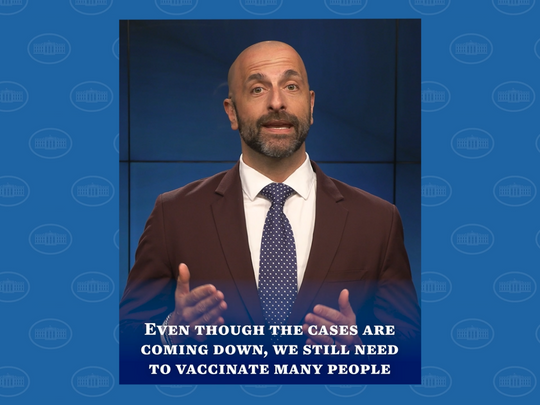
We were fortunate to hear about mpox in the context of HIV and the importance of an equity-centered response from White House and other U.S. Government leaders. Demetre C. Daskalakis, MD, MPH, Director, CDC Division of HIV/AIDS Prevention and Deputy Coordinator, White House National Mpox Response noted that mpox continues to be a public health issue that disproportionately impacts people with HIV, and data suggest that approximately 40% of people diagnosed with mpox in the United States also have HIV. He also highlighted important action steps (see below) and resource videos to move us forward.
Dr-Daskalakis

Beginning the meeting, Kaye Hayes, MPA, Deputy Assistant Secretary for Infectious Disease and Director of the Office of Infectious Disease and HIV/AIDS Policy, emphasized the Biden-Harris Administration’s focus on the importance of equity in the mpox response to ensure that no communities are left behind. She also highlighted the intentionality of the work surrounding mpox, including hearing directly from populations most likely to be affected by mpox but least likely to be vaccinated to better understand what is working and what needs to be improved in our response.

Decline in Mpox Cases

During the meeting, Dr. Daskalakis noted that in the U.S., there has been around a 99% reduction in the number of daily mpox cases since the peak of the mpox outbreak in summer 2022. He attributed this to 1) effective communications to gay, bisexual, and other men who have sex with men, as well as transgender individuals and other gender-diverse individuals; 2) the mpox vaccine; and 3) swift response from the LGBTQI+ community.

Syndemics and Mpox

Dr. Daskalakis also discussed mpox in the context of syndemics, noting that mpox infection does not occur in isolation. The September 2022 CDC Morbidity and Mortality Weekly Report showed that HIV or recent sexually transmitted infections (STIs) are common among people with mpox. Dr. Daskalakis thus stressed the importance of continuing to ensure equitable access to mpox screening, prevention, and treatment, including both prioritizing people with HIV and STIs for mpox vaccination and offering HIV and STI screening for people evaluated for mpox. He also emphasized the need to encourage those who haven’t received their second vaccinations to do so.

“We cannot take mpox in isolation,” he asserted. “We need to put it in the context of the interacting epidemics and the interacting social determinants of health that make mpox worse, or that propel mpox transmission.”

The Way-Forward

Dr. Daskalakis discussed navigating the future of the domestic response to mpox. As of the time of the meeting, there were 1,152,073 U.S. mpox vaccines administered. To get to zero mpox cases, he noted we must focus on communications to increase mpox vaccinations and magnify our communications for mpox vaccine administration. [Note: imagery promoting this blog will include this statement]. He also encouraged increased engagement with partners via social media, as well as official government websites, such as HIV.gov.

Harold Phillips, Director, The White House Office of National AIDS Policy, offered a closing message to attendees. He noted that the mpox response was “a true demonstration of when we use and follow the data and the science and we center the approach with equity, we CAN make a difference.”

Stay up to date on mpox and view the CDC’s Mpox Vaccine Equity Toolkit and their Cases and Data page. Also watch and share HIV.gov’s mpox videos featuring Dr. Daskalakis answering 14 top mpox questions.

Updated January 23

Today, the CDC team updated resources related to mpox. These may be found below

New and Updated CDC Resources:

MMWR: Epidemiology of Human Mpox — Worldwide, 2018–2021 NEW

Strategies for Talking with Patients about Vaccinations for Mpox UPDATED

Autopsy and Handling of Human Remains of Patients with Mpox UPDATED

What’s New & Updated UPDATED


Additional Funding Resources:

Mpox Guidance for CDC Grant Recipients

Mpox Considerations for Sexual Health Services (Dear Colleague Letters)

HRSA: Use of Ryan White HIV/AIDS Program Funds for Mpox

HUD’s HOPWA (Housing Opportunities for Persons with AIDS)

SAMHSA: Dear Colleague Letter on Using SAMHSA Grant Resources for Mpox-related Activities


Recently Updated—In Case You Missed It: 

MMWR: Mpox Cases Among Cisgender Women and Pregnant Persons — United States, May 11–November 7, 2022


Data and Analytics: 

2022 U.S. Mpox Outbreak UPDATED

U.S. Map & Case Count UPDATED

U.S. Mpox Case Trends Reported to CDC UPDATED

Global Map & Case Count UPDATED

Mpox Cases by Age and Gender, Race/Ethnicity, and Symptoms UPDATED

Mpox Vaccine Administration U.S. Map UPDATED

Demographics of Patients Receiving TPOXX for Treatment of Mpox UPDATED

Mpox Technical Reports


Additional CDC Resources: 

CDC’s Mpox Internet Site

MMWR Mpox Reports

Health Alert Network (HAN)—Severe Manifestations of Mpox

Mpox Vaccine Confidence Insights Report

Mpox Vaccine Equity Pilot Program

Science Brief: Detection and Transmission of Mpox Virus

Clinician FAQs

Mpox Vaccination Program Provider Agreement

Clinician Outreach and Communication Activity (COCA) Call

Clinical Considerations for Treatment and Prophylaxis of Mpox Virus Infection in People with HIV

Additional Intradermal Administration Sites: JYNNEOS Vaccine

Video: How to Administer Intradermal Vaccine in Forearm, Deltoid, and Scapula

Videos on mpox recommendations and updates from CDC leadership and partners

Completing a Death Certificate in the Setting of Mpox

V-safe after Vaccination Health Checker for Mpox Vaccine

V-safe Print Materials

Mpox Toolkit for Correctional and Detention Facilities

Safer Sex, Social Gatherings, and Mpox

Strategies for Talking with Patients about Vaccinations for Mpox

CDC’s Vaccine Equity Efforts in the Peach State- The Atlanta Black Pride Story

Stories from the Mpox Response

CDC-INFO On Demand – Publications

Print Resources


Additional Partner Resources: 

Mpox Vaccine Locator (mpoxvaxmap.org)

CDC/IDSA Clinician Call: Updates & Emerging Issues on COVID-19 and Mpox

ASPR: JYNNEOS Mpox Vaccine Distribution by Jurisdiction

ASPR: Operational Planning Guide

Clinicaltrials.gov: STOMP

Study of Tecovirimat for Human Mpox Virus (STOMP)

FDA: Emergency Use Authorization Fact Sheet

HHS amends PREP Act declaration increasing workforce authorized to administer mpox vaccines

HHS: Public Readiness and Emergency Preparedness (PREP) Act Coverage for Mpox

HHS: Statement From HHS Secretary Becerra on mpox

HHS: U.S. Government Mpox Research Summary

HIV.gov: Addressing Mpox Holistically

HIV.gov: Mpox and People with HIV Videos

NIH: U.S. Clinical Trial Evaluating Antiviral for Mpox Begins

PREP Act Coverage Frequently Asked Questions for Mpox

SAMHSA: Anxiety and Stress Related to Mpox

The White House: A Comprehensive Summary of Federally-Funded Mpox Research Projects

The White House: Mpox Press Briefing (9/28/2022)

WHO: Clinical Management and Infection Prevention and Control of Mpox

WHO: Community Engagement

WHO: WHO recommends new name for monkeypox disease

Published in MMRW today

HIV and Sexually Transmitted Infections Among Persons with Monkeypox — Eight U.S. Jurisdictions, May 17–July 22, 2022


Monkeypox and HIV

CDC doesn’t know if having HIV increases the likelihood of getting monkeypox. Monkeypox can spread to anyone through prolonged, close, personal, often skin-to-skin contact, as well as through contact with objects, fabrics (clothing, bedding, or towels), and surfaces that have been used by someone with monkeypox, or contact with respiratory secretions, through kissing and other face-to-face contact.

CDC continues to monitor monkeypox among people with HIV. During the current monkeypox outbreak, there does not appear to be more severe monkeypox illness in people who have HIV and are virally suppressed (having less than 200 copies of HIV per milliliter of blood). In fact, the World Health Organization (WHO) monkeypox guidance states, “People living with HIV on antiretroviral therapy with suppressed viral load are not considered to be immunosuppressed.” However, people with HIV who are not virally suppressed may be at increased risk for severe illness and death from monkeypox.

Currently there is no treatment approved specifically for monkeypox. However, medicine (antivirals) developed for use in patients with smallpox may help treat people with monkeypox.

At this time, CDC doesn’t have enough data to know whether people who have HIV and are virally suppressed might benefit from taking medicine if they get monkeypox.

Because patients with a weakened immune system may have more severe monkeypox illness, healthcare providers might consider using antiviral medicines (e.g., tecovirimat) or Vaccinia Immune Globulin for these patients. This could include people newly diagnosed with HIV or people with HIV who are not virally suppressed. See: Treatment Information for Healthcare Professionals.

At this time, vaccination is recommended for people with exposures to a probable or confirmed case with monkeypox, for example people who have had close physical contact with someone diagnosed with monkeypox. Vaccination may also be offered to people who had a presumed exposure, such as men who have sex with men who have had multiple sexual partners during the past 14 days in a jurisdiction with known monkeypox activity.

There are currently two licensed vaccines in the United States to prevent smallpox – JYNNEOS and ACAM2000. These smallpox vaccines may provide protection against monkeypox because smallpox and monkeypox are very similar viruses. Only JYNNEOS is FDA approved for the prevention of monkeypox in people 18 and older.

The JYNNEOS vaccine has been studied in people with HIV who are virally suppressed, and they do not have more frequent or severe side effects from the vaccine than people who did not have HIV. The JYNNEOS vaccine seems to be well tolerated, with the most common side effects being injection site pain, redness, swelling and itching. Some recipients also reported muscle pain, headache, fatigue, nausea, and chills. More data are needed to know if this vaccine is tolerated by people newly diagnosed with HIV or by people with HIV who are not virally suppressed. Clinicians should weigh the benefits of vaccination with the unknown risk of an adverse event for a person if their HIV is not virally suppressed.

ACAM2000 has been shown to have more frequent and severe side effects, especially for people with weakened immune systems or who are pregnant, have a heart condition, or skin conditions like eczema, psoriasis, or dermatitis. ACAM2000 is not recommended for people with HIV, even if they are virally suppressed, due to this increased risk of severe side effects.

Data is limited, but most HIV treatment can be safely given with monkeypox treatment and smallpox vaccines. People with HIV should inform their healthcare provider of all their medications to help determine if any interactions exist.

No, HIV pre-exposure prophylaxis (PrEP) is still effective and should be continued as prescribed.

People with HIV should follow the same recommendations as everyone else to protect themselves from monkeypox.

  • Avoid direct contact with rashes, sores, or scabs on a person with monkeypox, including during intimate contact such as sex. We believe this is currently the most common way that monkeypox is spreading in the U.S.
  • Avoid contact with objects, fabrics (clothing, bedding, or towels), and surfaces that have been used by someone with monkeypox.
  • Avoid contact with respiratory secretions, through kissing and other face-to-face contact from a person with monkeypox.

New Study Documents the Frequent Detection of Monkeypox Virus DNA in Saliva, Semen, and other Clinical Samples 

https://www.eurosurveillance.org/content/10.2807/1560-7917.ES.2022.27.28.2200503

 Updated June 30, 2022

This week,  the administration released an new fact sheet on Monkey pox. Key is the rollout of a national strategy for smallpox vaccination against monkeypox for people at risk. This follows a decision by Quebec Province to do the same with that province and Montreal being the epicenters of the current outbreak in North America

https://www.whitehouse.gov/briefing-room/statements-releases/2022/06/28/fact-sheet-biden-harris-administrations-monkeypox-outbreak-response/ 

As part of the monkeypox outbreak response, the Biden-Harris Administration is launching a national strategy to provide vaccines for monkeypox for individuals at higher risk of exposure. The strategy aims to mitigate the spread of the virus in communities where transmission has been the highest and with populations most at risk. This plan distributes the two-dose JYNNEOS vaccine, which the Food and Drug Administration (FDA) approved for protection against smallpox and monkeypox in individuals 18 years and older determined to be at high risk for smallpox or monkeypox infection. States will be offered an equitable allotment based on cases and proportion of the population at risk for severe disease from monkeypox, and the federal government will partner with state, local, and territorial governments in deploying the vaccines.

The goal of the initial phase of the strategy is to slow the spread of the disease. HHS will immediately allocate 56,000 vaccine doses currently in the Strategic National Stockpile to states and territories across the country, prioritizing jurisdictions with the highest number of cases and population at risk. To date, vaccines have been provided only to those who have a confirmed monkeypox exposure. With these doses, CDC is recommending that vaccines be provided to individuals with confirmed monkeypox exposures and presumed exposures. This includes those who had close physical contact with someone diagnosed with monkeypox, those who know their sexual partner was diagnosed with monkeypox, and men who have sex with men who have recently had multiple sex partners in a venue where there was known to be monkeypox or in an area where monkeypox is spreading.

In the coming weeks, HHS expects to receive an additional 240,000 vaccines, which will be made available to a broader population of individuals at risk. HHS will hold another 60,000 vaccines in reserve.

HHS expects more than 750,000 doses to be made available over the summer. An additional 500,000 doses will undergo completion, inspection, and release throughout the fall, totaling 1.6 million doses available this year.

First Case Report of Monkeypox in a Person Living with HIV

An HIV-positive man in his 30s taking Abacavir, Lamivudine and Dolutegravir and with a CD4 + T-cell count above 700 cells/mm3 (normal range 410–1,545 cells/mm3) and HIV viral load < 100 copies/mL, visited a primary care doctor after his return from Europe to Melbourne, Australia. He reported onset of a genital rash 8 days earlier. The rash had started 5 days after he reported unprotected sex with four casual male partners in Europe. The initial symptoms were painless white pustules on the penis that became painful and pruritic. He reported that he developed a fever and malaise 3 days after the first appearance of the penile rash and over the subsequent 5 days, the rash disseminated to his trunk, then more sparingly to the face and limbs while the genital lesions crusted over.

Swabs taken from deroofed skin lesions on the hand, calf and trunk in addition to combined nose throat swabs on the day of hospital admission, were all positive for monkeypox virus using previously described conventional [2] and in-house RT-PCR assays for orthopox and monkeypox viruses. Whole genome sequencing performed as described in the Supplementary material of DNA derived from the skin lesions resulted in the complete recovery of the entire monkeypox genome (MPXV-VIDRL01, Genbank_ID ON631963) with phylogenetic analysis revealing clustering with other monkeypox virus sequences from the May 2022 outbreak in Europe and the United States.

Rapid communication Home  Euro surveillance  Volume 27, Issue 22, 02/Jun/2022 Monkeypox infection presenting as genital rash, Australia Yael Hammerschlag et al
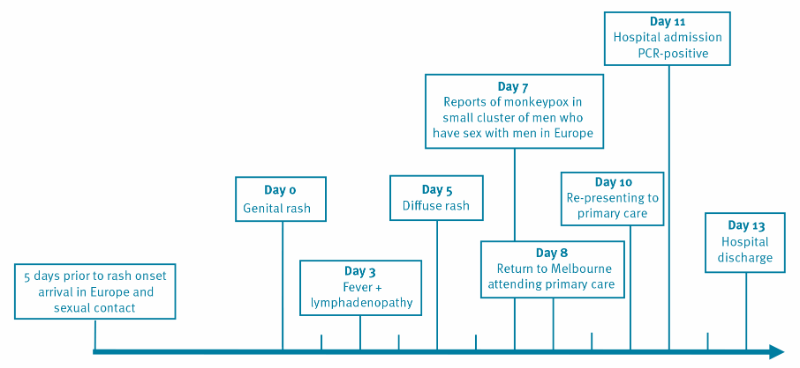
 

Figure 1


The World Health Organization (WHO) reported in its May 30, 2022, update that it had received reports of 257 confirmed monkeypox cases and approximately 120 suspected cases in 23 countries where the virus is not endemic as of May 26, 2022. In the United States, the Centers for Disease Control and Prevention (CDC) has reported 12 cases in eight states as of May 27, 2022. No deaths have been reported in nonendemic countries. The WHO classifies the global public health risk level posed by monkeypox as moderate.

Background

Monkeypox was first detected in 1958 in laboratory monkeys.1 The first human case of monkeypox was recorded in 1970 in the Democratic Republic of Congo.2 Since then, monkeypox has been reported in humans in other central and western African countries, with occasional cases reported outside of Africa.1

Global Outbreak

In May 2022, more than 120 confirmed or suspected cases of monkeypox have been reported in at least 11 non-African (endemic) countries, including Australia, Belgium, Canada, England, France, Germany, Israel, Italy, Netherlands, Portugal, Spain, Sweden, and Switzerland.2

Historical Context

In 2003, the first monkeypox outbreak outside of Africa was in the United States, when 70 cases in humans were reported, linked to contact with infected pet prairie dogs, which had been housed with Gambian pouched rats imported into the United States from Ghana.3 Monkeypox was reported in travelers from Nigeria to the United States in July 2021 and November 2021.3

2022 US and Global Outbreak

On May 20, 2022, the US Centers for Disease Control and Prevention (CDC) issued an alert urging doctors and state health departments to be vigilant for cases of monkeypox, following confirmation of cases in the US.4, 5 Federal officials say they expect to identify additional infections in the coming days. According to the CDC, it is not clear how people in the cluster outbreaks so far were exposed to the monkeypox virus but cases include people who self-identify as men who have sex with men.6 Public health officials have issued similar alerts in Australia, Belgium, Canada, England, France, Germany, Israel, Italy, Netherlands, Portugal, Spain, Sweden, and Switzerland.

Monkeypox virus is known to spread through close contact with the lesions, bodily fluids and respiratory droplets of infected people or animals or materials contaminated with the virus. Human transmission is thought to occur primarily through respiratory droplets. Investigations are ongoing that the virus may be spreading by sexual contact, following outbreaks of monkeypox in Europe related to two parties in Spain and Belgium, attended primarily by gay men. Although many cases have been reported among men who have sex with men (MSM), and bisexual men, spread may be occurring because the virus was introduced into the community and it has continued to spread there, both by sexual and social contact.

Key Facts about Monkeypox3

  • Monkeypox is caused by monkeypox virus.
  • Monkeypox typically presents clinically with fever, rash, and swollen lymph nodes and may lead to a range of medical complications.7
  • The incubation period is usually 7-14 days but can range from 5-21 days.
  • Monkeypox is usually a self-limited disease with the symptoms lasting from 2 to 4 weeks. Severe cases can occur and the fatality ratio has been around 3-6%.
  • Monkeypox is transmitted to humans through close contact with an infected person (skin lesions, body fluids, respiratory droplets and contaminated materials such as bedding) or animal, or with material contaminated with the virus.
  • The clinical presentation of monkeypox resembles that of smallpox but is less contagious than smallpox and causes less severe illness.
  • Vaccination against smallpox was demonstrated through several observational studies to be about 85% effective in preventing monkeypox. A vaccine based on a modified attenuated vaccinia virus (Ankara strain) was approved for the prevention of monkeypox in 2019.
  • An antiviral agent (tecovirimat) that was developed for smallpox was licensed by the European Medical Association (EMA) for monkeypox in 2022 based on data in animal and human studies. Tecovirimat is not yet widely available.

Summary of CDC Recommendations for Clinicians6

  • If clinicians identify patients with a rash that could be consistent with monkeypox, especially those with a recent travel history to areas reporting monkeypox cases, monkeypox should be considered as a possible diagnosis.
  • The rash associated with monkeypox involves vesicles or pustules that are deep-seated, firm or hard, and well-circumscribed
  • Presenting symptoms typically include fever, chills, the distinctive rash, or new lymphadenopathy; however, onset of perianal or genital lesions in the absence of subjective fever has been reported.
  • Information on infection prevention and control in healthcare settings is provided on the CDC website’s Infection Control page.8
  • Clinicians in the United States should consult their state health department or CDC through the CDC Emergency Operations Center (770) 488-7100 as soon as monkeypox is suspected.
  • Clinicians outside of the United States consult their relevant subnational and national public health authorities for guidance and epidemiological surveillance purposes.

What At-Risk Individuals Should Do6

The CDC advises people who may have symptoms of monkeypox should contact their healthcare provider. This includes anyone who:

  • Traveled to central or west African countries, parts of Europe where monkeypox cases have been reported
  • Reports contact with a person with confirmed or suspected monkeypox

The World Health Organization (WHO) notes that available evidence suggests that those who are most at risk are those who have had close physical contact with someone with monkeypox, and that risk is not limited to men who have sex with men.


Notes

[1] Monkeypox goes global: why scientists are on alert Max Kozlov Nature News May 20 2022

[2] CDC Monkeypox https://www.cdc.gov/poxvirus/monkeypox/index.html Last updated May 20 2022

[3] Monkeypox World Health Organization May 19,2022 https://www.who.int/news-room/fact-sheets/detail/monkeypox

[4] CDC tells doctors to be on alert for monkeypox as global cases rise Washington Post https://www.washingtonpost.com/health/2022/05/20/cdc-monkeypox-alert/

[5] Monkeypox in the United States CDC https://www.cdc.gov/poxvirus/monkeypox/outbreak/us-outbreaks.html

[6] 2022 United States Monkeypox Case https://www.cdc.gov/poxvirus/monkeypox/outbreak/current.html

[7] Signs and Symptoms CDC https://www.cdc.gov/poxvirus/monkeypox/symptoms.html

[8] Precautions to Prevent Monkeypox Transmission https://www.cdc.gov/poxvirus/monkeypox/clinicians/infection-control-hospital.html

IAPAC Releases “LGBTI+ Health Equity: A Global Report of 50 Fast-Track Cities” Confirms Glaring Inequities across LGBTI+ Communities

  • 275 key informants from 50 cities participated in the first study allowing comparison of LGBTI+ health equity across four regions – Africa, the Americas, Asia-Pacific, and Europe.
  • Study outcomes exposed health inequities and numerous other challenges facing LGBTI+ populations, including discrimination in criminal justice systems.
  • Report concludes with recommendations for local and national governments, providers of care and health systems, community-based organizations, and international actors.


COPENHAGEN, Denmark (August 18, 2021) – Results from IAPAC’s groundbreaking study, LGBTI+ Health Equity: A Report of 50 Fast-Track Cities, were announced today during Copenhagen 2021 (WorldPride). The research, which gathered data from four geographic regions, focused on urban LGBTI+ health equity through surveys of 275 key informants who work closely with LGBTI+ populations in 50 cities.

Among the study’s revelations was the fact that no region came close to perfect on LGBTI+ health equity indicators, including quality of life, access to care, or nondiscrimination. Moreover, the average global quality of life score for LGBTI+ communities across the 50 cities was 3.2 on a scale of 1 (poor) to 5 (excellent). In terms of access to care, globally, HIV-related services scored a 3.8 on a scale of 1 to 5, but mental healthcare scored just 2.8 and gender-affirming care scored 2.7.

“We cannot adequately address HIV and other health conditions without including LGBTI+ populations, and we cannot adequately serve LGBTI+ populations unless we understand the diversity and complexity of these communities and their needs,” said Dr. José M. Zuniga, President/CEO of IAPAC and the Fast-Track Cities Institute, and the study’s senior investigator. “Those of us working in the field of health and in any other topic area relevant to LGBTI+ health equity must recommit ourselves to working holistically to end the disparities these communities face.”

The report also revealed the clear lack of disaggregated data on LGBTI+ individuals, particularly populations beyond sexual minority men. And, while the research showed a marked resilience among LGBTI+ communities in each of the cities studied, the underlying stigma, discrimination, and lack of visibility that perpetuate health and other inequities remain largely the same around the world.

LGBTI+ Health Equity: A Report of 50 Fast-Track Cities was made possible by a grant from ViiV Healthcare. To download the report: https://bit.ly/3iU5mwn.


# # #


About the International Association of Providers of AIDS Care

IAPAC is the largest association of clinicians and allied health professionals working to end the epidemics of HIV, tuberculosis, and viral hepatitis by 2030. IAPAC is also a core technical partner of the Fast-Track Cities initiative and the Secretariat for its Fast-Track Cities Institute (https://www.ftcinstitute.org/). For more information about IAPAC and our global activities, please visit: https://www.iapac.org/

UN High-Level Meeting on AIDS: Fast-Track Cities Side Event


SIDE EVENT

Regaining Momentum by Ending

Inequalities in Urban HIV Responses

8:00 am – 9:30 am EDT, Thursday, 10 June 2021

Zoom: https://bit.ly/2SVJcPH YouTube: https://bit.ly/3g3BbBw


Time Session Faculty
8:00 am – 8:10 am

(EDT)

Welcome Remarks Mayor Anne Hidalgo, Paris, France

Ms. Maimunah Mohd Sharif, UN-Habitat

8:10 am – 8:20 am

(EDT)

Centering Communities to End Social Marginalization and Health Inequality Ms. Sibongile Tshabalala, Treatment Action Campaign, South Africa
8:20 am – 9:20 am

(EDT)

Prioritizing Equality, Inclusivity, and other Social Enablers to End Urban HIV Epidemics Moderator: Dr. José M. Zuniga, IAPAC

Panelists:

Mayor Sharon Weston Broome, Baton Rouge, LA, USA

Mayor Geoff Makhubo, Johannesburg, South Africa

Mayor Ma. Josefina Belmonte, Quezon City, Philippines

Mayor Vitalyi Klitschko, Kyiv, Ukraine

9:20 am – 9:30 am

(EDT)

Ending Inequalities in Urban HIV Responses: A Call to Action Ms. Winnie Byanyima, UNAIDS
9:30 am

(EDT)

Adjourn

IAPAC Launches First-of-its-Kind Fast-Track Cities Podcast at AIDS 2018 to Tell the Story of the Urban AIDS Response from its Beginning to Today

Episodes 1 Through 3 of Season 1’s 12 Episodes
Now Available on iTunes and Google Play


Amsterdam, Netherlands (July 24, 2018) – The International Association of Providers of AIDS Care (IAPAC) today launched an innovative podcast series focused on telling the story of the urban AIDS response globally. The podcast series is named, Fast-Track Cities, after an initiative of the same name that is working with more than 250 cities worldwide that are accelerating their local AIDS responses to end AIDS as a public health threat. Through compelling storytelling, each episode features interviews from some of the most prominent voices in the global AIDS movement – including people living with and affected by HIV, clinicians, scientists, government officials, representatives from community organizations, and many more. The Fast-Track Cities podcast was officially launched today during a Fast- Track Cities reception held in conjunction with the 22nd International AIDS Conference (AIDS 2018) and with the first three episodes of its 12-episode first season now available for free download on iTunes and Google Play.

“After spending the last almost four years focused on advancing the Fast-Track Cities objectives, we want to give voice to the inspiring stories about the urban AIDS response that uniquely vary city-by-city,” said Dr. José M. Zuniga, President and CEO, IAPAC. “We are excited to launch the Fast-Track Cities podcast to tell these stories in a powerful way through the podcast medium. Our goal is not only to educate our audience about HIV/AIDS globally, but to share the best practices that cities working in partnership with communities are advancing to ensure that no one is left behind as we strive to end AIDS as a public health threat. I would like to personally thank everyone who graciously participated in the first season as we could not have done this without you and your personal anecdotes.”

The genesis of this podcast was born out of the successes that IAPAC observed working with cities that form the Fast-Track Cities initiative, which was launched on December 1, 2014. To date, the initiative has catalyzed high HIV burden cities around the world towards attaining the Joint United Nations Programme on HIV/AIDS (UNAIDS) 90-90-90 and zero stigma targets by 2020. With more than 250 cities now having signed the Paris Declaration on Fast- Track Cities Ending AIDS, and unprecedented momentum achieved by most Fast-Track Cities, there is a powerful story to be told regarding a reinvigorated urban AIDS response.

The Fast-Track Cities podcast’s first three episodes include a history of the HIV epidemic from the perspective of cities such as Amsterdam, Cape Town, Nairobi, New York City, and San Francisco (Episode 1); an overview of the science of HIV, with a review of the current state of HIV prevention and treatment interventions (Episode 2); and a description of the Fast-Track Cities initiative, from its genesis in 2014 through to the work that it is advancing today.

“Given the current global push to end AIDS as a public health threat, it is critical that the voices of local everyday heroes engaged in accelerated urban AIDS responses are heard and that their stories be told,” said Dr. Zuniga. “We must do everything we can to protect and gain funding for high HIV burden cities; ensure sustained political will; employ innovation to scale-up HIV prevention, linkage to care and access to treatment; and eliminate barriers such as stigma that jeopardize sustained progress. It is our goal that the Fast-Track Cities podcast series will leverage the successes of almost four decades of urban AIDS responses and spur conversation and advance positive action in every city of the world.”

Season 1 Episode Guide:

Episode # Title
1 Darkest Days (launched at AIDS 2018 and available for free download

on iTunes and Google Play)

2 HIV: Science, Treatment and the Future (launched at AIDS 2018 and

available for free download on iTunes and Google Play)

3 Fast-Track Cities: The Urban Response (launched at AIDS 2018 and

available for free download on iTunes and Google Play)

4 North American Cities – Part 1 (San Francisco and New York City)
5 North American Cities – Part 2 (Atlanta, Baton Rouge, Birmingham)
6 Caribbean Cities (Kingston and Port-au-Prince)
7 Latin American Cities (Buenos Aires, Mexico City, São Paulo)
8 European Cities – Part 1 (Berlin, Kyiv, Paris)
9 European Cities – Part 2 (Amsterdam, London, Madrid)
10 Asia-Pacific Cities (Bangkok and Melbourne)
11 African Cities – Part 1 (Abidjan, Nairobi, Maputo)
12 African Cities – Part 2 (Durban, Kampala, Kigali)

 IAPAC has curated significant content for the Fast-Track Cities podcast and plans to add on a second season to share many more powerful urban AIDS response stories across every region the world, several of which are untold. Additionally, IAPAC is looking for other stories and perspectives, as well as feedback on podcast episodes, which can be shared by emailing iapac@iapac.org. For more information about sponsorship opportunities, please visit the Fast-Track Cities Podcast webpage.

About the Fast-Track Cities Initiative

Fast-Track Cities is an approach for cities to accelerate their local AIDS responses, supported by four core partners – IAPAC, UNAIDS, UN-Habitat, and the City of Paris – in collaboration with local, national, regional and international implementing and technical partners.

Combining the efforts of city governments, Mayors, affected communities, local health departments, and clinical/service providers, the initiative aims to build upon, strengthen and leverage existing HIV programs and resources to accelerate locally coordinated, city- wide responses to end AIDS as a public health threat by 2030. Visit www.fast-trackcities.org for more information.

About IAPAC

The International Association of Providers of AIDS Care (IAPAC) represents more than 30,000 clinicians and allied health care professionals in over 150 countries. Its mission is to improve the quality of and increase access to HIV prevention, care, treatment, and support services for men, women, and children affected by and living with HIV and comorbid conditions (e.g., tuberculosis, viral hepatitis). For more information about IAPAC and its 32- year history of marshaling the health professions to end the HIV epidemic, please visit www.iapac.org.

###

For more information:

Lindsay G. Deefholts
Global Communications and Advocacy Consultant
ldeefholts@gmail.com
+ 1 416 301 7966

HIV: Stigma, Misconceptions and Complacency Remain Critical Barriers to Stopping the Virus


CONTACT: Stephen Head, Media (EU)
+44 (0) 7768 705945


- New Survey of >24,000 People in Europe Reveals HIV Stigma Still Widespread -

July 23, 2018 – Results from a new, large-scale, Europe-wide survey of over 24,000 people in 12 countries[1] demonstrate that, despite significant progress over almost four decades, HIV-related stigma persists as a major challenge for people living with HIV (PLHIV). While experts in the field, PLHIV and allies recognize that stigma and discrimination are unfounded, the Is HIV Sorted? survey has revealed there is still much work that needs to be done among the general public. Negative societal attitudes towards PLHIV pose a barrier to achieving the Joint United Nations Programme on HIV AIDS (UNAIDS) 90-90-90 treatment targets by 2020, as stigma discourages testing and can impede PLHIV’s access to and engagement and retention in HIV care.[i]

HIV transmission remains a significant concern across the European continent. According to the World Health Organization (WHO), in 2016 more than 160,000 people were diagnosed with HIV in the European region. This is the highest number of people ever newly diagnosed in one year, with the greatest number of new diagnoses in the Eastern European region.[ii]

Initial results from the Is HIV Sorted? survey, jointly conducted by the International Association of Providers of AIDS Care (IAPAC), the core technical partner of the Fast-Track Cities initiative, and Gilead Sciences, were released today at the 22nd International AIDS Conference, Amsterdam. Although results from the survey were broadly consistent across Europe, there were some notable differences between Eastern[2] and Western[3] regions:[iii]

  • Across Europe a significant proportion of respondents (68%) would not feel comfortable dating someone who is living with HIV (66% in Western Europe and 74% in Eastern Europe)
  • In Eastern Europe, over half (52%) of respondents have negative attitudes about working with PLHIV; around a quarter (24%) in Western Europe also have the same negative attitude
  • Across Europe half (50%) of respondents believe that PLHIV should not be allowed to work as healthcare professionals
  • In Eastern Europe only one in five (20%) respondents believe that PLHIV should be able to do any job, regardless of their status; a quarter (25%) believe that PLHIV should not even be allowed to work in a store

Successful HIV treatment and management that yields an undetectable level of HIV in the blood (viral suppression) means that the virus is virtually untransmittable from HIV-positive to -negative sexual partners (the premise of the Undetectable=Untransmitable [U=U] message). However:3

  • Only around one in 10 respondents (12%) understood the meaning of ‘undetectable,’ with approximately one third believing that being undetectable means that you can still transmit HIV to someone else
  • More than half (53%) of respondents believed that it would still be possible to transmit HIV to others, even if the treatment was having the best effect possible (viral suppression)
  • Only approximately half (47%) of respondents were aware that it is possible for women living with HIV who are undetectable to conceive HIV negative children

“Although we have taken significant steps forward in addressing HIV-related stigma experienced by PLHIV, the Is HIV Sorted? survey results demonstrate that we cannot be complacent,” said Dr. José M. Zuniga, President/CEO, International Association of Providers of AIDS Care (IAPAC). “There is still a significant lack of understanding about HIV. Fear of stigma is a major barrier to people getting tested, which is the first step necessary to achieve the 90-90-90 targets. We must expand our education and awareness-raising efforts to ensure the wider public are more informed, so that people can live positively with HIV.”

The survey also found worrying levels of complacency with respect to HIV prevention. Almost a quarter of respondents said they had a new sexual partner in the last year but, of these respondents, only 44% always used a condom, and almost one in four respondents rarely or never used a condom with a new sexual partner.3

Encouragingly respondents, particularly those in Eastern Europe, appear to believe that HIV is still a significant issue, with nearly half (47%) across Europe believing that HIV is still a major health concern and less than one in five (18%) Eastern European respondents believing that HIV is under control in their country. Linked to this, the majority of respondents (73% in Western Europe and 82% in Eastern Europe) believe that funding for HIV should be a priority for their government or health service.3

“These data are a wake-up call to all of us involved in efforts to attain the 90-90-90 targets. 2020 is just two short years away,” continued IAPAC’s Dr. Zuniga. “We must not allow HIV to be deprioritised - either in the halls of government or in the minds of the general public. These data are valuable to initiatives such as Fast-Track Cities enabling us to work with local stakeholders to eliminate misperceptions about HIV, strengthen primary HIV prevention efforts and maximise use of the tools that we have to treat and prevent HIV infection.”

Gregg Alton, Executive Vice President International Operations & Corporate Affairs, Gilead Sciences, said, “These results reinforce the critical need for the whole HIV community to work together to tackle the significant issues that still remain in HIV prevention, diagnosis and care. We hope that these results will contribute to robust and productive discussions at this conference, as we focus on breaking down barriers and building bridges to reach key populations, and ensure that no-one is forgotten as we collectively work to stop the virus.”

###

- Notes to editors –

About Is HIV Sorted?

The Is HIV sorted? Survey was commissioned by the International Association of Providers of AIDS Care (IAPAC), the core technical partner of the Fast Track Cities initiative, and Gilead Sciences. The survey respondents included 18,169 HIV-negative[4] adults living in nine countries in Western Europe, including seven with Fast-Track Cities (France, Germany, Italy, Spain, United Kingdom, Ireland, Austria, The Netherlands and Switzerland) and 6,043 HIV-negative§ adults living in three countries in Eastern Europe, two with Fast-Track Cities (Romania, Ukraine and the Russian Federations). The survey aimed to provide insights into the general publics’ awareness, perceptions, knowledge, and attitudes towards HIV. The survey was fielded in June 2018 by the independent market research company Opinium. Additional survey data will be made available during 2018 and 2019.

About Fast-Track Cities

Cities bear a large share of the global HIV burden. In countries with large HIV epidemics, the numbers of people living with HIV (PLHIV) in urban areas are so high that effective city-level action is likely to influence national outcomes. Even where an HIV epidemic is smaller, cities are home to large numbers of people belonging to key populations at higher risk of HIV infection but which often receive limited attention in HIV programs. The Fast-Track Cities is a global partnership between more than 250 high HIV burden cities, the International Association of Providers of AIDS Care (IAPAC), the Joint United Nations Programme on HIV/AIDS (UNAIDS), and the United Nations Human Settlements Programme (UN-Habitat), and the city of Paris. The initiative was launched on World AIDS Day 2014 in Paris. For more information please visit: http://www.fast-trackcities.org.

About the UNAIDS 90-90-90 Targets

The Joint United Nations Programme on HIV/AIDS (UNAIDS) asserts that attaining the 90-90-90 targets is a means of placing national and municipal jurisdictions on a trajectory towards ending AIDS as a public health threat by 2030. The targets translate into:

  • 90% of people living with HIV (PLHIV) knowing their HIV status
  • 90% of PLHIV who know their HIV-positive status on antiretroviral therapy (ART)
  • 90% of PLHIV on ART achieving viral suppression

About Gilead Sciences

Gilead Sciences, Inc. is a research-based biopharmaceutical company that discovers, develops and commercializes innovative medicines in areas of unmet medical need. The company strives to transform and simplify care for people with life-threatening illnesses around the world. Gilead has operations in more than 35 countries worldwide, with headquarters in Foster City, California.

For nearly 30 years, Gilead has been a leading innovator in the field of HIV, driving advances in treatment, prevention and cure research. Today, it’s estimated that more than 11.5 million people living with HIV globally receive antiretroviral therapy provided by Gilead or one of the company’s generic manufacturing partners.

For more information on Gilead Sciences, please visit the company’s website at www.gilead.com, follow Gilead on Twitter (@GileadSciences) or call Gilead Public Affairs at 1-800-GILEAD-5 or 1-650-574-3000.


References

[1] The 12 countries included 9 with Fast-Track Cities: Austria, France, Germany, Netherlands, Romania, Spain, Switzerland, Ukraine and United Kingdom

[2] ‘Eastern Europe’; Romania, Russia, Ukraine (n=6,043)

[3] ‘Western Europe’; Austria, France, Germany, Ireland, Italy, Netherlands, Spain, Switzerland, United Kingdom (n=18,169)

[4] Self-described

[i] Centers for Disease Control and Prevention (CDC). HIV Stigma Fact Sheet. Available at https://www.cdc.gov/actagainstaids/pdf/campaigns/lsht/cdc-hiv-TogetherStigmaFactSheet.pdf [last accessed July 2018]

[ii] ECDC. HIV/AIDS surveillance in Europe 2017. Available at https://ecdc.europa.eu/sites/portal/files/documents/20171127-Annual_HIV_Report_Cover%2BInner.pdf [last accessed July 2018]

[iii] Opinium. Is HIV sorted survey (sample: 18,169). June – July 2018. Survey commissioned by the International Association of Providers of AIDS Care (IAPAC) and Gilead Sciences.